
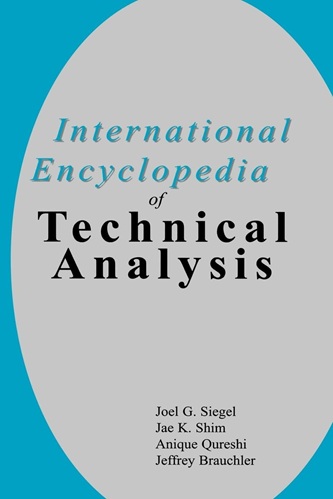
International Encyclopedia of Technical Analysis
$39.62
International Encyclopedia of Technical Analysis is a comprehensive reference designed to function as a desk-grade technical analysis knowledge base—covering the concepts, terminology, methods, and practical tools used by chartists, traders, and market technicians. Unlike single-strategy books, this encyclopedia-style resource is structured to support fast lookup, clear definition, and method selection, helping traders move from “hearing the term” to understanding how it fits into a real analytical workflow.
The book is especially valuable for building technical fluency across the full TA stack: market structure and trend logic, chart patterns, indicators and oscillators, volume/market breadth concepts, support/resistance frameworks, and broader timing principles. Because it is encyclopedic, the emphasis is on breadth, clarity, and usability—making it effective both for systematic study and for on-demand reference while analyzing markets.
For serious traders, the practical edge of this type of resource is consistency: when your chart work spans multiple methods (trend + pattern + indicator confirmation), performance often improves when definitions and interpretation rules are standardized. This encyclopedia supports that standardization by consolidating terminology and technique explanations into a single coherent reference, reducing confusion and preventing the common mistake of mixing tools without understanding their proper role.
In short, this book is best positioned as a core technical-analysis reference: ideal for traders who want to deepen knowledge, confirm definitions, compare methods, and build a more structured and repeatable analysis process.
✅ What You’ll Learn:
- Clear definitions and practical context for major technical analysis terms and methods.
- How common indicators/oscillators are used for trend, momentum, and timing confirmation.
- How chart patterns and support/resistance frameworks are typically interpreted in practice.
- How to think about confirmation logic (trend + pattern + indicator + volume context).
- How to compare tools, understand limitations, and choose the right method for the job.
- How to build a more consistent technical vocabulary and analysis routine.
💡 Key Benefits:
- A single-source reference for a wide range of technical analysis concepts and tools.
- Improves consistency by standardizing terminology and interpretation frameworks.
- Useful both for structured learning and for rapid lookup during chart work.
- Helps traders avoid misusing indicators/patterns by clarifying purpose and constraints.
- Complements any trading style—discretionary, rules-based, or hybrid.
👤 Who This Book Is For:
- Traders building a serious technical foundation and wanting a reliable reference.
- Intermediate traders who use multiple tools and need better consistency and clarity.
- Analysts who want to quickly validate definitions and method selection while working.
- Educators and students seeking a consolidated TA glossary/reference resource.
📚 Table of Contents:
- Technical Analysis Concepts and Foundations
- Trend, Support/Resistance, and Chart Interpretation
- Chart Patterns and Formations
- Indicators, Oscillators, and Momentum Tools
- Volume, Breadth, and Market Internals
- Timing Concepts and Analytical Integration
International Encyclopedia of Technical Analysis By Jae K. Shim
| Author(s) | |
|---|---|
| Product Type | Ebook |
| Format | |
| Skill Level | Intermediate to Advanced |
| Pages | 368 |
| Publication Year | 2000 |
| Delivery | Instant Download |
1 review for International Encyclopedia of Technical Analysis
Only logged in customers who have purchased this product may leave a review.
Related products




Louis Bender (verified owner) –
Recently. I bought books with fancy titles, like “How to profit in bull and bear markets”…etc. they go along and explain 3 or 4 technical indicators in 350 pages and tells you you can start investing now. There isn’t a faster way to lose your money. In this book all technical analysis indicators are included, explained and then buy/sell signal conclusions are outlined. Ofcourse written by PHD’s. not by mumbo jumbo investors.